Interior Designing in the Age of AI
From planting guides to photorealistic renders, how AI is shaping one designer’s process without replacing her craft.
Artificial intelligence is making its way into nearly every industry, and interior design is no exception. For Lindsey Machado, founder of Design with Grace and Joy, AI isn’t a competitor — it’s an extra brush in the artist’s kit, useful for refining ideas, streamlining processes, and sparking inspiration.

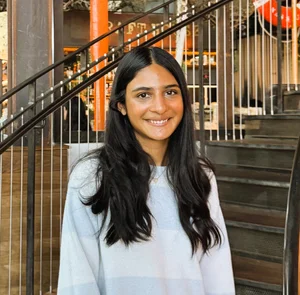
Ms. Lindsey Machado, Founder of Designed with Grace and Joy. (Photo courtesy of Ms. Machado)
Since 2016, Machado has helped clients transform their homes into spaces that are both beautiful and deeply personal. From home staging to full renovations, her work reflects a blend of creativity, practicality, and understanding of how people truly live. While AI has opened new possibilities, Machado’s approach ensures that every design choice still comes from a place of human connection and vision.
“Every day looks different, and that’s what I love about it.”
Her work can range from selecting tiles and creating layouts to building 3D visualizations and collaborating with contractors. Now, she’s finding ways to let AI handle certain behind-the-scenes tasks, freeing her to focus more on the creative and personal aspects of design.
AI as a Design Partner
In one recent landscape project, Machado used ChatGPT to help narrow down plant options suited to a client home’s specific climate and sun exposure.
“I still curated the list. AI helped with the research, but I was the one deciding what fit the style and needs of that space.”
She also uses AI to enhance visual presentations, converting her 3D renders into photorealistic images that make it easier for clients to picture the final result. While the tech isn’t perfect, it can help bridge the gap between concept and reality.

AI-generated visualization of an interior design workflow. Image: DALL·E / Anika M.
“It’s great for showing ideas in a more tangible way, but the design vision starts long before AI comes into the picture.”
Where Experience Shines
Machado’s work is as much about people as it is about spaces. She learns her clients’ tastes, habits, and preferences over time, often anticipating their reactions before showing them a design.
Even the way she handles invoices reflects her personal touch: “If we spend time catching up during a meeting, I’ll deduct that time. Those conversations help me understand clients better, and that makes the design more tailored.”
“AI can process data, but it can’t replace the relationships and intuition that guide a designer’s decisions.”
Making Design More Accessible
Machado sees promise in AI-powered tools that can quickly restyle a room from a photo — helping people who might not have the budget for full-service design.
“It’s exciting that more people can visualize ideas for their space. It’s a starting point, and sometimes that’s all someone needs to take the next step.”
Still, she notes that these quick visuals don’t address measurements, flow, or sourcing products — the details that turn an idea into a livable space. That’s where professional expertise still plays a crucial role.
Navigating AI Ethically
While she values AI’s potential, Machado is clear about transparency. She believes designers should never pass off AI-generated work as projects they’ve completed themselves.
“Using AI to communicate a concept is one thing. Claiming that AI-generated images are real work you’ve done is another. It’s about honesty with clients and respect for the craft.”
Fast Five with Lindsey Machado
1. What did you want to be when you were a kid?
A writer — I even wrote and produced the local news for a while!
2. One task in your job you’d gladly let AI do?
Coordinating with contractors. I prefer focusing on the design itself.
3. Something humans will always do better than AI?
Empathy. Listening. Understanding nuance.
4. The last thing you asked AI? And, to which AI?
Asked ChatGPT about local hollywood/ broadway-themed restaurants
5. One job you’d never trust AI to do?
Invoicing. I tailor those personally, even deducting time for friendly chats with clients.
Advice for Future Designers
Machado encourages aspiring designers to stay open-minded and versatile.
“Learn every style, even the ones you wouldn’t choose for yourself. Design is about understanding people, their cultures, their tastes, their lifestyles.”
In her eyes, AI can be a powerful ally for those willing to explore it thoughtfully. But the essence of great design — empathy, creativity, and personal connection — remains firmly human.